The London Green Directory
Air Quality | Waste | Food | Water | Energy | Transportation | Ecowise Consuming | Empowerment| Biodiversity | Circular Economy
Food
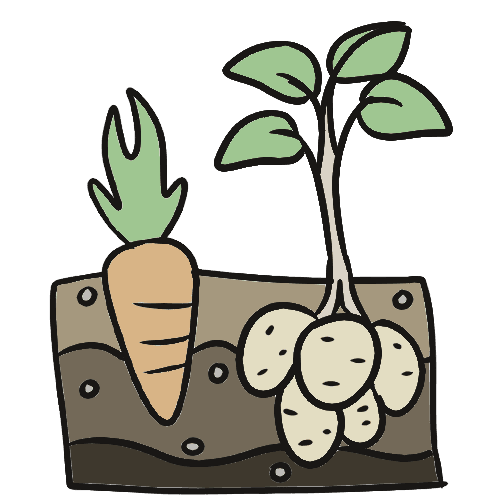
Food gives us the energy to work, play, think, and create. We all need access to a variety of nutritious foods that are easy to prepare and enjoy. Over time, many of us have come to prioritize convenience when shopping for food, often paying less attention to nutrition, packaging waste, or how our food is produced. Food production accounts for over a quarter (26%) of global greenhouse gas emissions.
These emissions come from sources such as fertilizer use, deforestation to create farmland, methane produced by livestock, food processing, transportation, packaging, and the energy needed to heat greenhouses. In addition to contributing to climate change, some food production practices can pollute ecosystems through the use of synthetic pesticides and herbicides, while poor labour conditions continue to affect many farmers and agricultural workers around the world.
We can reduce the impact on our environment and improve our health by:

- Growing some of our own food and herbs
- Eliminating use of pesticides and herbicides
- Using locally grown fresh produce to decrease use of fuel in delivery
- Buying food with as little packaging as possible and in bulk
- Varying our diet with lentils, beans, rice and nuts
- Eating more raw or lightly cooked foods ie. steamed, stir- fried
- Cutting down on sugar, salt and caffeine, fats and heavy meats
Another way to reduce our food waste is to donate food that we do not need nor will not use. The London Cares Curb Hunger Campaign partnered with the London Food Bank to raise awareness of the need for fresh food, non-perishable food, and financial donations in our community. You can participate in this annual campaign by donating fresh or non-perishable foods, volunteering to Grow-A-Row or Adopt-a-Plot, or through financial donations. You can find more information on other organizations in London working to do their part here.
Gardening

Creating a vegetable/herb garden at home is a great way to cut back on the grocery bills and eat healthy local produce, and the seeds needed for these types of gardens can be purchased from grocery stores, local businesses, and gardening trade shows. Additionally, seeds and cuttings can often be harvested from the produce we eat and be used to grow our own.
An important step for successful gardening is to ensure that you are aware of the growing conditions of your produce before planting them as every plant has different requirements for sunlight, water, temperature, and space. Improper care leads to less produce, slower growth, and/or wilting. This information can often be found on the back of seed packets or can be researched online. Some useful tools have been provided here:

In terms of gardens, herb and vegetable gardens can be grown indoors or outdoors, but note that indoor gardens often require supplemental lighting. For people living in apartments, purchase planters that can be hung over balcony railings to maximize gardening space. Additionally, if you have a composter, gardening waste, such as leaves and wilted flowers, can be turned into compost, which you can later add to your garden to help your plants grow healthier.

If you find your garden has become infested with pesky bugs, you can use biological control agents to manage their populations in a safe and sustainable way. Make sure a bug is a pest before removing it from a plant; you can use resources like insect identification guides and BugGuide.net to identify it. This will also give you a chance to learn more about local beneficial and harmful bugs in your area.
Edible Neighbourhoods
The Edible Neighbourhood is an emerging concept where neighbours work together to improve food security by reconnecting with the land and each other. This can be achieved through the creation and maintenance of different community places and practices including:
- Edible landscaping on public and private land
- Community food pantry and pop-up fresh food market
- Community food hub for food production, education and celebration
- Community allotment garden
- Peer-to-peer assistance in food access
- Community supported agriculture through rural-urban farm partnerships
- Individualized food security plans for people with acute needs.
- Neighbourhood celebration with food, music and games
For more information on Edible Neighbourhoods, email sassgabor@gmail.com.
Packaging
Take one quick glance around any grocery store, and you will notice that almost every single item is packaged. Sometimes the packaging will be recyclable, such as cardboard boxes or glass bottles; however, a lot of the time items will be wrapped in plastic. Plastic packaging is destined for the landfill, where it will pollute our environment.
Take sustainable action by avoiding purchasing any food items that have plastic packaging or components. Look for alternatives that have minimal plastic packaging, recyclable or biodegradable packaging, or ideally, no packaging at all. When purchasing produce, only buy produce that is unpackaged, and instead of putting it into plastic bags, use reusable cloth bags.
In 2018, a packaging-free grocery store called ReImagine Co was born. What started off as a three-month pop-up project turned into the first zero-waste grocery store in London by 2020. London has many options when it comes to buying local, such as local butchers, grocers, and farmer’s markets. Check out London Food Co-op for local, certified organic, Fairtrade food.
Nutrition
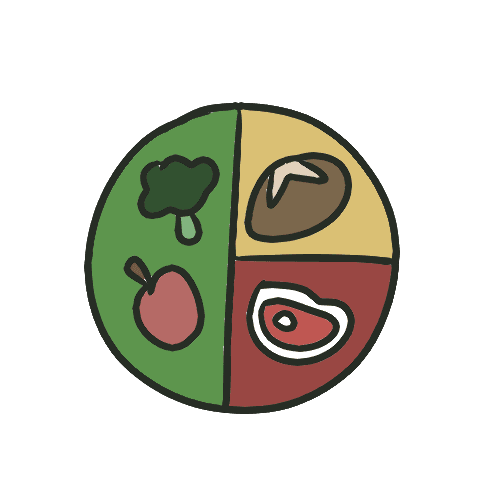
Eating a balanced diet is key to being healthy and staying energized. A balanced diet includes foods of different colours, your plate should never be filled with a food of just one colour. Half of a meal should consist of fruits and vegetables while the other half should be comprised of grains and proteins.
Fruits and Vegetables
Fruits and vegetables are an essential part of a healthy diet because they provide a wide range of nutrients, including fibre, potassium, vitamin C, and vitamin A. These nutrients support heart health, digestion, immune function, and overall body maintenance. Potassium is especially important because it helps regulate blood pressure, supports muscle contractions, and assists with nerve function. Good sources of potassium include bananas, potatoes, sweet potatoes, beans, spinach, tomatoes, and avocados. Fruits and vegetables are also generally low in calories and can help reduce the risk of chronic diseases such as heart disease and type 2 diabetes. Whenever possible, choose whole fruits and vegetables over juices, as whole foods contain more fibre and less added sugar.

Whole Grain Foods
There are two main types of grain products, whole grains and refined grains. Whole grains are the healthier option of the two as they contain all parts of the grain kernel, making them higher in fibre, vitamins, and minerals. Refined grains have been processed to remove some of these components, which reduces their nutritional value.
Examples of whole grains include oats, brown rice, quinoa, and whole wheat bread. These foods provide important nutrients such as fibre, iron, and B vitamins that support digestion and energy metabolism.
Protein Foods
Protein is an essential nutrient needed for building and repairing muscles, bones, and tissues, as well as producing hormones and supporting many other functions in the body. It is important to include a variety of protein sources in your diet, such as fish, poultry, eggs, beans, lentils, tofu, nuts, seeds, and low-fat dairy products. Lean protein options such as tilapia, cod, chicken breast, and legumes provide high amounts of protein while being lower in calories and saturated fat. Certain fish, including salmon, trout, sardines, and mackerel, are also rich in omega-3 fatty acids. Omega-3s are important for heart health, brain function, and reducing inflammation. Including omega- 3-rich foods such as fatty fish, walnuts, flaxseed, and chia seeds in your diet can help support overall health. While animal products can be part of a healthy diet, they are best consumed in moderation and substituted with plant-based proteins when possible. It is also recommended to limit highly processed meats such as bacon, sausages, and hot dogs, as they are often high in sodium and saturated fat.
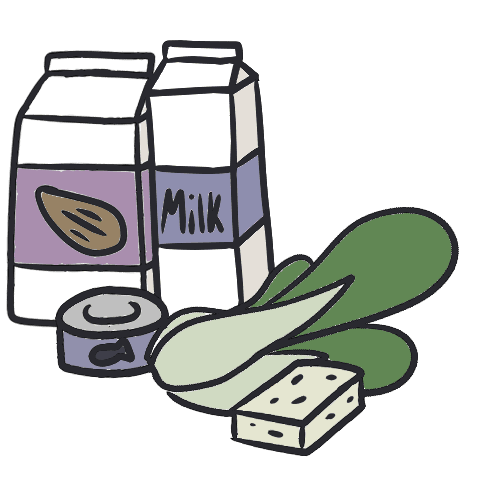
Consuming dairy or calcium-fortified products is essential as calcium promotes bone health. Dairy products are also fortified with vitamin D which helps to maintain bone structure. Avoid dairy products that are high in fats and LDL cholesterol as consuming to much of these can be harmful to your health and will often exceed your calories intake for the day. If you prefer to avoid dairy, there are plenty of calcium-rich alternatives such as:
- Calcium fortified products like juices, almond milk, and cereal
- Canned fish
- Soy products
- Leafy greens such as bok choy, kale, and collards
Food Source Guide
| Nutrient | Importance | Food Source |
| Vitamin A | Supports vision, immune function, and skin health | Carrots, sweet potatoes, spinach, kale |
| B Vitamins | Help convert food into energy and support brain function | Whole grains, meat, eggs, dairy, legumes |
| Vitamin C | Supports immune function and tissue repair | Citrus fruits, strawberries, peppers, broccoli |
| Vitamin D | Supports calcium absorption, bone health, and muscle/nerve function | Fortified milk or plant beverages, eggs, fatty fish |
| Proteins | Builds and repairs muscles and tissues, and supports body function | Chicken, turkey, fish/seafood, lean beef, pork, eggs, Greek yogurt, tofu, lentils, and beans |
| Omega-3 Fatty Acids | Supports brain health, heart health, and reduces inflammation | Salmon, trout, sardines, walnuts, flaxseed, chia seeds |
| Potassium (K) | Helps regulate blood pressure, muscle contractions, and nerve function | Banana, potato, ribeye fillet, salmon, turkey breast, brussels sprouts, sweet potato |
| Magnesium | Supports muscle and nerve function and energy production | Seeds, nuts, legumes, dark leafy greens, and whole grains |
| Calcium | Builds and maintains strong bones and teeth | Dairy products, fortified plant-based beverages, tofu, leafy greens |
| Iron | Helps carry oxygen in the blood and supports energy levels | Lean meats, beans, lentils, spinach, fortified cereals |
| Zinc | Supports immune system function and healing | Meat, seafood, dairy, nuts, seeds, legumes |
| Fibre | Supports digestion, heart health, and helps maintain fullness. | Fruits and vegetables Legumes, beans, grains, |
Sustainable Foraging

Gain a deeper appreciation for local plants and fungi by delving into sustainable foraging. Foraging involves visiting local forests and natural areas and harvesting plants and fungi to consume. It’s a great way to learn about local species, their nutritional properties, and how to identify them. It can also save costs on groceries and allow you to try cooking with ingredients that cannot be bought at the supermarket.
When foraging, always make sure you come prepared for the weather and with an identification guide. Foraging will often take you to areas that are prone to ticks so make sure you wear long sleeve shirts, closed toe shoes, and long pants to avoid risk of tick bites. Many plants and fungi have look-alikes that can be hazardous to your health, make sure you are certain that the plant you are foraging is the correct species. If you are not certain do not harvest the plant. Some species such as pheasant’s back mushrooms also only cause adverse reactions in some people so make sure you do your research before foraging. A great resource is the Forage City Facebook group, discussion on where and what to forage is updated frequently by members of the community.
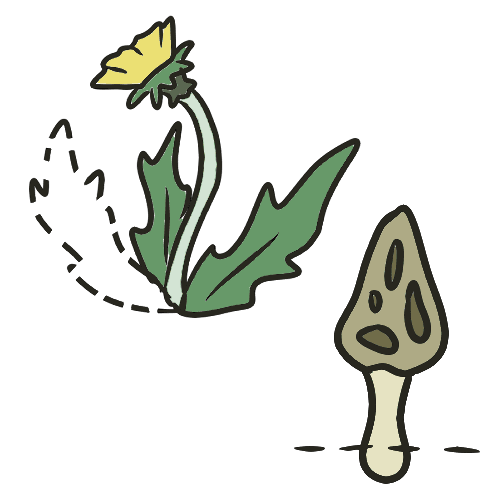
To ensure you are foraging plants sustainably, do not overharvest; if there are very few of one plant in an area, do not pluck it. Also, avoid harvesting too much from one plant if possible. The exception to this would be invasive species such as garlic mustard; however, precautions must be taken to prevent spreading the seeds of invasive plants. In regard to fungi, make sure to not harvest too many mushrooms, as this can prevent the fungi from reproducing. Do not pluck the mushroom; make sure you cut it off about a centimetre from the bottom in order to protect the fragile mycelium.
Buying Sustainably
Local

A typical meal has travelled thousands of kilometres before making it to your table. Consider the true cost of your food in terms of transportation and the emissions and smog generated, processing, refrigeration and distribution. In supporting local farmers and businesses, you reduce your ecological footprint and move towards organic foods or seasonal fruits and vegetables to reduce your exposure to synthetic chemicals. You also access fresher produce picked likely the day before, giving it more flavour and nutrition.
Consider a commitment to eat only foods within a 100-mile radius of your home. The 100-Mile Diet is a diet built with the purpose of buying sustainably, by focusing as much of your purchasing power into the local market as you can. Read the book that started it all for tips from authors Alisa Smith and James MacKinnon, who spent one year eating food produced within 100 miles of their Vancouver home. Use the mapping tool to find your 100-mile boundary and get started even if it is just one day to begin with.

You can also try joining the locavore movement, a movement with the purpose of eating sustainably by eating locally to avoid the carbon costs of transportation and food packaging. The Middlesex Federation of Agriculture has published several versions of the Middlesex-London Local Food Guide, which has information that can help Londoners secure local produce year-round. Check out the map provided on page nine of their guide to easily locate year-round local food from London and the surrounding areas. It can help to know when certain produce is in season when trying to eat locally, you can find such information through Ontario’s Availability Guide. It is also important to know how to preserve local produce for winter, to be able to reliably eat locally grown or prepared foods. Ask your favourite restaurant if they use local and organic produce! It’s the next frontier of food and critical to sustaining our natural resources.
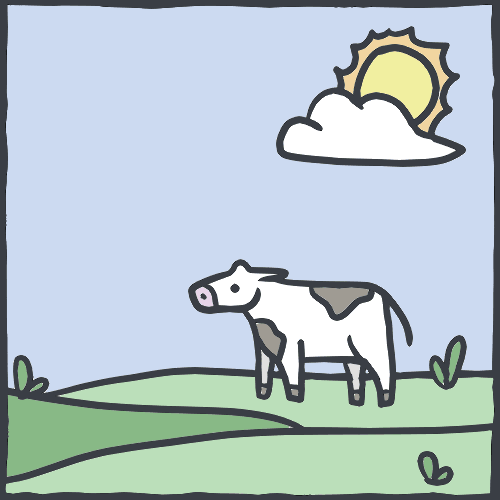
Buying locally grown food achieves one of the ten challenges in the David Suzuki Nature Challenge, an action list to most effectively protect the environment and improve our quality of life. Another challenge on this list involves eating meat-free meals one day a week. Most of the world’s water is used for agriculture. However, meat production and processing require far more water compared to any other food process. Meat production is also the world’s largest user of land, for pastures and arable land. When trying to eat locally in London without losing the convenience of modern grocery stores a great option is On the Move Organics. On the Move Organics works to reconstruct the conventional food system in South-Western Ontario through working with local food producers to provide access to and deliver local organic food straight to your door.
London and the surrounding areas have many local farmers’ markets to visit and shop from. Many of these local farms sell their products at the St. Mary’s Farmers Market, Western Fair Market, Covent Garden Market, Horton Farmer’s Market, and Strathroy Farmer’s Market on the weekends. Some of these markets are also open during the week, such as the Komoka Market, Wildflowers Night Market, and the small markets that are actually run on location at some of these farms. Mulberry Moon Farm, Slegers Living Organic Greens, and more have on-site farm markets. If visiting these farms directly seems daunting, there are also many local farms with online stores, and some even have food box delivery programs through Farm Shares and Community Supported Agriculture programs (CSA’s). These programs help support local farms through buying a share of the harvest for the season, then the farms will pick your produce at the peak of harvest and send it to you weekly. If you are interested in CSA programs, Ontario has a directory with a map to find all of the local farms with a CSA program. Other programs in London that provide food boxes are the London Good Food Box and the Lifespin Community Food Box, which are both more affordable solutions to buying local.
For information on where to shop for local, organic food, please see the London Area Organic Growers website.
Fairtrade
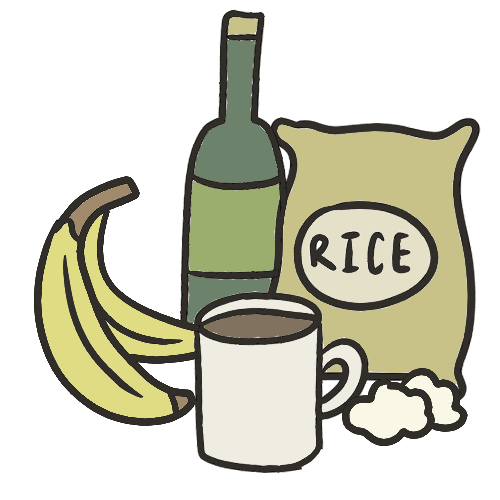
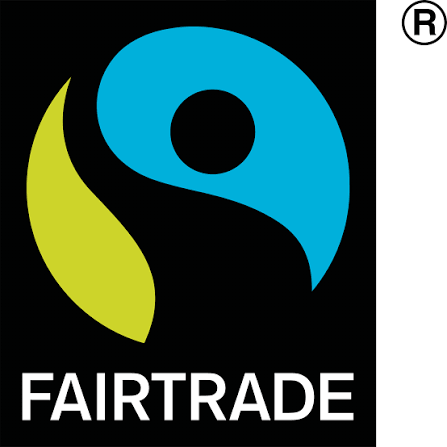
Fairtrade is a global certification system that promotes social, economic, and environmental sustainability. Its goal is to ensure that farmers and workers receive fair compensation for their products and labour while supporting safe working conditions and workers’ rights. Through Fairtrade, producers receive a fair price for their goods and earn a Fairtrade Premium, which is an additional sum of money that communities can invest in local priorities such as healthcare, education, infrastructure, and business development. Fairtrade also helps connect producers with international markets and gives them a voice in decisions that affect their livelihoods.
Environmental sustainability is another important part of Fairtrade. Certified producers are encouraged to use sustainable farming practices and receive training to help protect soil health, water quality, biodiversity, and local ecosystems. Fairtrade-certified products can be found at many grocery stores, cafés, restaurants, and local businesses. Look for the Fairtrade label on products to identify items that meet Fairtrade standards.
Fairtrade products include:
- Coffee
- Tea
- Bananas
- Chocolate and cocoa products
- Sugar
- Herbs and spices
- Ice cream
- Rice
- Cotton products
Choosing Fairtrade products is one of the many ways consumers can support ethical labour practices, sustainable agriculture, and stronger farming communities around the world.
London Initiatives
London’s Urban Agriculture Strategy
The City of London created its 2017 Urban Agriculture Strategy to help create a healthier, more sustainable, and resilient food system in London. The strategy acknowledges that urban agriculture is about all activities involved in producing, processing, distributing, composting, and recovering food, as well as educating and connecting people through local food initiatives.
The Strategy encourages residents, businesses, schools, community organizations, and the city to work together to make fresh, local food more accessible while strengthening neighbourhoods and protecting the environment. It supports initiatives such as home gardens, community gardens, school gardens, food forests, orchards, farmers’ markets, composting programs, and food education.
By expanding opportunities for urban agriculture, London aims to:
– Improve access to fresh, locally grown food
- Strengthen food security and community resilience
- Improve access to fresh, locally grown food
- Support biodiversity
- Reduce food waste and greenhouse gas emissions.
- Encourage healthy lifestyles and community connections.
- Create a more sustainable and resilient local food system.
The City of London’s full plan can be found here.
Urban Agriculture
Urban agriculture brings London communities together to grow, process, and share fresh produce between neighbourhoods. It includes strategies such as community gardens, urban beekeeping, community kitchens, farmer’s markets and more. Benefits of urban agriculture are:
- Creation of greenspaces for food
- Active outdoor community engagement
- Increased access to fresh, local, and affordable food
- Forming habitats for pollinators
Many neighbourhoods in London have community gardens which are a great way to connect with your community, get the chance to grow produce, and offer a way to get inexpensive, fresh, and nutritious produce. These gardens turn once unused plots of and into a sustainable greenspace. Currently the City of London has 21 community gardens and over 560 plots. Community garden plots are also available for rent depending on your income. Also ask about private community gardens as there may be one near your home.
An additional form of community gardens is school gardens, where students get the chance to create a community garden together. This gives students the opportunity to learn more about the food system and how their food is grown. One school even planted a food forest as a more long-term project to provide healthy and fresh snacks to the kids for years to come.
Food forests and other “foodscaping” projects were identified as priorities in the City of London’s 2017 Urban Agriculture Strategy, and continue to support local food production, biodiversity, and community resilience today. These initiatives transform public spaces into productive landscapes where residents can grow, harvest, and learn about food. London has two community-run food forests located at Wood St. Park and West Lions Park. The Carolinian Food Forest, established in 2017, showcases edible plants native to Ontario’s Carolinian forest region while promoting ecological restoration and sustainable food production. ReForest London has also worked on two orchards at King’s University College at Western and the London Food Bank. Six more orchards were grown as community efforts next to their respective community gardens. There have also been efforts to replace non-edible plants in city planters with edible ones, as well as to track these edible plants for people to enjoy. Forest City TREEats maintains an interactive map of edible fruit and nut trees, berry bushes, and other edible plants throughout the city that residents can legally harvest from. Their website also provides seasonal information to help identify which foods are ready for harvesting throughout the year.
As touched upon earlier, pollinators are essential to the wellbeing of our ecosystems which is why they need to be protected. Urban agriculture promotes the creation of pollinator gardens as well as urban beekeeping, where people keep hives on their property. If you’re interested in becoming a beekeeper, make sure to follow provincial guidelines which limit how close bees can be to residential and public spaces. Park naturalization is another way London is supporting urban pollinators. Through increasing biodiversity in our parks, we help to increase new wild habitats for
pollinators as well as other urban creatures. Visit the Pollinator Pathways Project for information on pollinator garden programs in London.

Pollinator Gardens
Pollinators, including bees, butterflies, beetles, birds, and bats are important to having healthy ecosystems and play an important role in food production. Many fruits, vegetables, and flowering plants rely on pollinators to produce seeds and fruit. Creating a pollinator garden is a simple way to support biodiversity while helping nearby gardens and farms thrive.
Attract these species by planting pollen and nectar rich native flowers that bloom continuously spring to fall that provide food or nesting habitats for all life stages. Plant patches in different colours, shapes, scents and sizes for pollinator visibility.
Plants that attract pollinators include: primrose, hollyhock, violets, echinacea, cucumber, zinnia, lavender, black-eyed Susan, sunflowers, tomatoes, herbs.
Check out your local garden centre for ideas.
Community Kitchens
Another aspect of urban agriculture is community kitchens. These provide people with an opportunity to share cooking skills and engage with their community. It can also provide low income communities with local and fresh food and spread awareness on the need for food security.. Visit Growing Chefs! for more information about community food education and cooking programs in London.

Resource sharing allows for community members to work together in order to build a more sustainable and healthier neighbourhood. When it comes to urban agriculture in London, resource sharing consists of starting a tool library where people can borrow gardening tools instead of buying their own, and seed swaps where people can exchange their heritage plant seeds. Resource sharing can help promote community projects such as community and pollinator gardens and can also improve the living spaces of community members. It can also remove barriers by engaging community members and providing them with tools and knowledge they may not have had access to otherwise.
Farmers markets allow for small scale farmers and other community members to sell their products. This promotes local businesses and gives people an opportunity to buy food locally, reducing their ecological footprint. It also increases the availability of nutritional food and prevents ‘food deserts’ which is where fast food restaurants are much more accessible than grocery stores. There are also local community gardens like the one at White Oaks Church, or the Westview Community Garden. The Westview Community Garden is run by Grow Cook Learn, a community through food security and education organization that also hosts cooking workshops and other programs. London also has a London Community Gardens Strategic Plan that outlines the overall vision and direction for community gardens across London. For more information on community gardens in London visit the City of London’s website or look at the most recent report.
Food waste is a massive issue within Canada, in fact a third of all food produced in Canada goes to waste. Urban agriculture aims to mitigate this by offering strategies to reduce and divert the amount of waste that we produce. One strategy is composting on the residential and community scale. This involves using a composter to break down organic matter such as food scraps and yard waste to use in the garden. Many community gardens in London are seeking quality compost in order to grow healthier and more nutritious plants.

Food hubs are a collection of resources regarding food systems that are accessible to the general public. Food hubs include resources on:
- Food nutrition and knowledge
- Food decisions
- Ecological factors involved in food
- Food skills such as gardening and cooking
- Self-efficacy and confidence
Food hubs will also contain information on food-related initiatives in the area such as community gardens, tool libraries, and community kitchens. They empower the public by providing all the information they need on food in their local area.
Community education and training provides accessible and hands-on experience working with food. This can include workshops and festivals and bring the community together to celebrate food. Education in food systems is key to informing people about the resources and the needs and benefits of our current food system. If you would like to attend free cooking classes, the Covent Garden Market hosts Cooking Demo classes on Saturdays (10am-11am) and Sundays (12pm-1pm) as well as Cooking Class on Thursdays. For more details on their events visit their website.
You can find more information on urban agriculture in London here.

Responsible Foraging
When harvesting from public food forests, edible trees, or community gardens, only take what you need and avoid damaging plants or branches. Ensure you leave enough produce for wildlife and other community members. Be sure to harvest only from locations where foraging is permitted and always wash any produce thoroughly before eating. If you would like to learn more about how urban agriculture supports climate action, food security, and community resilience, visit the City of London’s Urban Agriculture Strategy and Forest City TREEats resources.
London Food Charter
The London Food Charter emerged from the community’s shared priorities of eliminating poverty and increasing healthy living. The purpose of the food charter is to promote food security within the London area. This would mean that every single Londoner has access to safe and nutritious food at all times. In order to accomplish this, the Food Charter envisions a London where:
- Londoners have a just and sustainable food system
- Everybody receives an income that can afford them safe and nutritious food
- Stores and markets that sell food are easily accessible
- There are plenty of opportunities to teach people about food
- Londoners can take part in urban agriculture
If you would like to review the Food Charter, click here.
Middlesex-London Food Policy Council

Middlesex-London Food Policy Council is dedicated to providing the Middlesex-London area with a safe, equitable and environmentally friendly food system that is accessible to everybody. The mission of this group is to:
- Provide a way for the public to discuss issues about the food system
- Involve the public in decisions regarding food systems
- Foster coordination and communication between different sectors of the food system
- Create and change policies
- Provide support programs
Means of carrying out this mission are pushing for policy changes that benefit the community, identify food system issues, develop initiatives to take action, involving the public in the conversation about food systems, and by conducting research on local food systems. Community food assessments provided a foundation for the Middlesex-London Food Council to organize and act on their mission.
Also check out the Middlesex-London Food Guide here.
Middlesex-London Community Food Assessment (2016)

The Community Food Assessment, or CFA, was focused on analyzing the benefits and needs of food systems within the area and coming up with an action plan in order to improve it. The CFA hoped to engage the community on the topic of food systems in order to spread awareness on food-related issues, and food security and sustainability. The CFA intended to provide the community with food sovereignty which is the right for people to have access to healthy and culturally appropriate food that is sustainably harvested. The assessment of the food system consisted of 10 categories:
- Population statistics
- Food production
- Food access and distribution
- Food purchasing and consumption
- Food education, knowledge and literacy
- Food waste management
- Food policy and advocacy
- Risk management and food safety
- Food innovation and technology
- Food funding, finance, and investment
These 10 categories were the scope of the CFA.
Furthermore, the assessment outlined 4 areas to take action on and plan community initiatives around them. These 4 areas were:
- Food waste reduction
- Food literacy
- Food processing and distribution
- Small-scale agriculture production
To learn more about the Middlesex-London Community Food Assessment 2016 click here.
The London Environmental Network (LEN) Food Security Map
LEN has worked together with other member organizations to make a map of all the sites in London where fresh food is grown, processed, or distributed including regional farms, markets and mills within a 50km radius from London.
Related Business Directory
| Agriculture and Agri-Food Canada | 1341 Baseline Road, Ottawa, ON K1A 0C5 1-855-773-0241 aafc.info.aac@agr.gc.ca https://agriculture. canada.ca/en | This department supports Canadian agriculture through initiatives that promote innovation and competitiveness and is responsible for the federal regulation of agriculture, including policies governing the production, processing, and marketing of all farm, food, and agri-based products in the agri-food sector. |
| Angelo’s Italian Bakery & Market | 755 Wonderland Rd N, London, ON N6H 4L1 519-473-7772 Email Form https://www.angelos bakery.com/ | A local Italian market cafe that sells both imported and locally sourced food products as well as a wide assortment of prepared foods, and has a salad bar & breakfast offerings. |
| Ann Slater’s Fresh Organic Vegetables | 157030 15th Line, Lakeside, ON N0M 2G0 519-349-2448 aslater@quadro.net annslaterorganics.com | A certified organic farm that sells veggies at the St. Mary’s Farmers Market. |
| Apple Land Station | 329 Richmond St, Thorndale, ON N0M 2P0 519-268-7794 Email Form https://www.appleland station.com/ | This local apple orchard has seasonal apple picking as well as fall harvest and pumpkin picking. In addition to this they have a 4-season market on-site that sells a variety of fresh picked produce, preserves, and fresh baked goods. |
| Arva Flour Mill | 2042 Elgin St, Arva, ON 519-660-0199 1-877-630-2296 https://www.arvaflourmill.com/ | This company packages flour in paper bags, packaged bulk goods. Educational programs for children from k-4 are available. |
| Bellamere Winery and Event Centre | 1260 Gainsborough Rd. London, ON 519- 473-2273 events@bellamere.com https://www.bellamere .com | Fresh produce, fruit and grape wines made on site, prepared vegetarian meals, breads, no preservatives bakery. |
| Blueberry Hill Farm | 22039 Hoskins Line, Rodney, ON 519-785-2217 blueberryhillfarm2021@gmail.com https://londonareaorganicgrowers.com/farms/ blueberry-hill-farm/ | A certified organic farm with blueberry picking or pre-picked options available 8:00am-6:00pm. |
| Booch Organic Kombucha | 1027 Clarke Rd Unit E, London, ON N5V 3B1 519-204-2794 info@boochorganic kombucha.com https://boochorganic kombucha.com/ | This company was born in London thanks to Shannon Kamins, Founder and Master Fermenter. They brew authentic, small batch, craft kombucha locally and practices eco-regenerative and sustainable business practices, synergy, connection, gratitude, compassion, and purpose. |
| Bulk Barn | 4 London Locations: 1920 Dundas Street East. 1965 Hyde Park Rd. Wellington Woods Plaza 1070 Wellington Rd. Masonville Square 50 N Centre Rd. London, ON http://www.bulkbarn.ca/ en/Home/ | This company sells all of their products in bulk, priced by weight. Purchasing from here can help reduce packaging waste if you bring your own bags. |
| Bulk Barrel | 3 London Locations: Westmount Shopping Centre 785 Wonderland Rd S. Citi Plaza 355 Wellington St. Cherryhill Village Mall 301 Oxford St W. London, ON http://bulkbarrel.ca/ | This is a local family owned and operated business that carries a wide range of bulk food as well as specialty shelf products that cater to many specific dietary needs. Purchasing from here can help reduce packaging waste if you bring your own bags. |
| Chris Country Cuts | Covent Garden Market 130 King St, London, ON N6A 1C5 519-673-1539 chris@chriscountrycuts. com https://www.chriscountrycuts.com/ | This local butcher offers beef, chicken, pork, Ontario lamb, milk-fed veal, Muscovy duck, geese, Cornish hen, rabbit, bison, and more. They have a delivery service and also offer bulk buying options on their website. |
| Common Ground Farm | 6986 Middle River Rd, St. Thomas, ON N5P 3S9 519-913-3785 support@common groundfarm.ca https://commonground farm.ca/ | A certified organic farm that sells vegetables online through CSA’s, on the farm, and at the Western Farmers Market. |
| The Covent Garden Market’s Farmers’ Market | 130 King St. London, ON 519-439-3921 info@coventmarket.com https://coventmarket. com/ | This is a 7 days/week indoor farmer’s market that sells food and other hand-made products. They also have an outdoor farmer’s market at times listed online. A list of their vendors can be found on their website. |
| Eschol Farm | 157030 15th Line, Lakeside, ON N0M 2G0 519-349-2448 msslater@quadro.net | A certified organic farm that sells dairy, beef, and veal at the St. Mary’s Farmers Market. |
| Farm & Food Care Ontario | 660 Speedvale Ave W, Guelph, ON N1K 1E5 519-837-1326 info@farmfoodcare.org https://www.farmfood careon.org/ | This organization is a whole-sector coalition made up of representatives from all farming types and associated businesses, and positions itself as the helpful expert on Ontario agriculture with the common goal is to build public trust in food and farming in Ontario and across Canada. |
| Flashfood Inc. App | Toronto, ON, Canada hi@flashfood.com https://flashfood.com/ | Flashfood allows savvy shoppers to have access to surplus grocery items that would otherwise be destined to become food waste. |
| Food Hero App | 2200 Stanley St, Montreal, QC 1-883-366-3800 Email Form https://www.foodhero.com/ | FoodHero is a technology company dedicated to ending food waste by connecting consumers hungry for discounts with grocery stores looking to monetize their unsold inventory. |
| Friends of Urban Agriculture London | 201 King St, London, ON urbanagvocate@gmail.com urbanaglondon@gmail.com https://fual.weebly.com/ | A London organization working to move the agenda of urban agriculture forward through raising awareness, engaging & empowering citizens, advocating for policy change and organizing specific events and actions. |
| Gibraltar Weekend Market | 1712 Dundas St, London, ON N5W 3E3 519-659-8725 gibraltarweekendmarket@gmail.com https://gibraltarweekendmarket.website/ | A weekend market in London open from 9:00am to 5:00pm, they have individual booths including produce, organic meats, spices, and baked goods. |
| Glengyle Farm Organics | 7860 Inadale Dr, Mt. Brydges, ON N0L 1W0 519-317-1422 GlengyleFarm1841@Gmail.com https://glengylefarmorganics.com/ ?v=e4b09f3f8402 | A certified organic farm that sells dairy and chicken at the Komoka and Strathroy Farmers Markets as well as on their farm. |
| Good Health Naturally | Cherryhill Village Mall 301 Oxford Street West London, ON 519-660-6656 GHNcustomercare@gmail.com http://www.goodhealthnaturally.ca/index.html | This is a local health food store that sells food, supplements, aromatherapy products, and more for a variety of health conditions. |
| Growing Chefs! Ontario | 460 King St, London, ON N6B 1S9 519-679-4769 christy@growingchefsontario.ca or jen@growingchefsontario.ca https://growingchefsontario.ca/ | A local nonprofit offering food education programs for children, teaching cooking skills, nutrition, and sustainable food practices. They operate a teaching kitchen and community food programs. |
| Hungry Hollow Organics | RR 2, Parkhill, Ontario N0M 2K0 519-232-9458 hhorganics@execulink.com https://findfoodforhumans.com/listing/hungry-hollow-organics/ | This is a farm that offers both free-range chickens and organic beef and is organically certified. The beef is available at the farm or in the town of London at Chris’s Country Cuts (at the Covent Garden Market) or Sullivan’s Meat Market. |
| Keyser Creek Farms | 30131 Kerwood Rd, Kerwood, ON N0M 2B0 519-495-5985 info@keysercreekfarms.com https://keysercreekfarms.com/ | A certified organic farm that sells a variety of beef products online with on-farm pick-up. |
| London and Area Food Bank | 926 Leathorne St. London, ON 519-659-4045 info@londonfoodbank.ca http://www.londonfoodbank.ca/ | Provides a pickup service for donations of non-perishable food items and works together with many different partners to help provide food for people with food-insecurity. They also operate a 30’ by 17’ greenhouse which has grown a wide variety of fresh produce in 1,400 one-gallon grow boxes. |
| London Community Resources Centre: GCL | 201 King St, London ON N6A 1C9 519-432-1801 lcrc@lcrc.on.ca https://lcrc.on.ca/ | Supports community gardens, food‑growing workshops, and urban agriculture education across London, helping residents grow their own food sustainably. |
| London Food Coalition | Glen Cairn Community Resource Centre 244 Adelaide St S, London, ON 519-668-2745 preid@gccrc.ca https://www.londonfoodcoalition.com/ | London Food Coalition Inc. is dedicated to creating food prosperity initiatives that assert fresh food as a fundamental right. This initiative provides essential resources for family cooking programs, nutritional and educational programming, camp programs, and healthy meals for children and families. |
| London Food Co-op | 621 Princess Avenue London, ON (519) 679-0570 Email Form https://www.londonfood.coop/ | This local co-op sells local organic produce, meats and dairy, baked goods, fair trade coffees, prepackaged goods with no preservatives/additives. The co-op has always been member own and run, meaning that the business makes decisions through democratic process to give their members a voice and decision-making power. |
| London Ontario Vegan Food Bank | londonveganfoodbank@gmail.com https://www.londonenvironment.net/vegan_ community_meals https://www.facebook.com/londonontariovegan foodbank/ | This organization seeks to end food waste in London through free vegan community meals and free weekly food boxes. |
| The Grove at Western Fair District | 900 King St, London, ON N5W 5K3 519-438-7203 thegrove@westernfairdistrict.com https://www.thegrovewfd.com/ | The Grove is Western Fair District’s agri-business hub — a shared space where startups, food producers, and innovators get everything they need under one roof: kitchens, equipment, mentorship, and real connections. |
| The Market Western Fair District | 900 King St. London, N5W 2X7 519-800-3831 mmanager@westernfairdistrict.com https://themarketwfd.com/ | This is a weekend farmer’s market that sells food on the first floor and other hand-made products on the second floor. A list of their vendors can be found on their website. |
| Mark’s Fine Meats | Covent Garden Market 130 King St, London, ON N6A 1C5 519-667-9993 marksfinemeatsorders@gmail.com https://marksfinemeats.com/ | This local butcher offers a wide range of local and sustainable certified organics and grass-fed meats. They also have a service that offers home delivery. |
| Marshall’s Pasta Mill & Market | 580 Adelaide St. N London, ON 519-672-7827 jodie@marshallspasta.onmicrosoft.com https://marshallspastacatering.ca/ | Family-owned restaurant/ catering/ retail store of homemade Italian food, with all products and ingredients sourced locally. |
| Meals on Wheels London | 356 Queens Ave, London, ON N6B 1X6 519-660-1430 info@mowl.ca https://mowl.ca/ | Provides nutritious meals to seniors and adults with disabilities, supporting food security and reducing barriers to accessing healthy food. |
| McSmith Organic Farm | 42828 Shorlea Line, RR #6 St. Thomas, ON 519-631-0279 mcsmithsfarm@hotmail.com http://www.mcsmithsorganicfarm.com/ | This farm sells organic produce, grains, herbs, meat, eggs, and certified organic chicken. They are open Saturdays 10:00am to 12:00pm on the farm and also sell through the Komoka and Strathroy Farmers Markets as well as through CSA’s. |
| National Farmers Union | 2717 Wentz Ave, Saskatoon, SK S7K 4B6 306-652-9465 krista@nfuontario.ca https://www.nfu.ca/ | This is a grassroots farmer organization advocating for farm families and working together to achieve agricultural policies that ensure dignity and income security for farm families while protecting and enhancing rural environments for future generations. |
| New Moon Community Homestead | 27093 New Ontario Rd, Ailsa Craig, ON N0M 1A0 226-926-0360 newmoonharvest@gmail.com https://new-moon-community-homestead.website.localline.ca/ | This farm runs a meat, vegetable, and egg farming operation along with community programs such as a farm school and homestead farm memberships. They currently offer pork, chicken, and beef along with various artisanal goods such as lard soap and pickled vegetables. |
| Nooner’s | 436 Clarence St. London, ON 519-434-3842 noonerscaters@gmail.com https://noonerscaters.com/ | This is a local family-owned business that sells homemade natural foods with no preservatives. They sell affordable pre-made meals and also provide catering. |
| On The Move Organics | 521 Burbrook Pl, London, ON N5W 4B5 519-266-2667 info@onthemoveorganics.ca https://onthemoveorganics.ca/ | This company commits to providing a source of local, organic, and small-scale food out of a desire to rebuild Southwestern Ontario’s local food system. They provide and deliver to the majority of South-Western Ontario while operating with the planet in mind. |
| Ontario Federation of Agriculture | 200 Hanlon Creek Boulevard, Guelph, ON N1C 0A1 519-821-8883 1-800-668-3276 Email Form https://ofa.on.ca/#:~:text=OFA%20is%20the%20trusted%2C%20farmer,for%20Farms%20and%20Food%20Forever. | This is a farmer-lead organization that works to represent Ontario’s agri-food sector and rural communities on topics such as legislation and regulations governed by municipal, provincial and federal governments, government relations, farm policy development, research, lobby efforts, community representation, media relations and more. |
| Our Fields | 51236 Chalet Line, Aylmer, ON N5H 2R1 519-200-9803 ourfieldsfarm@gmail.com https://ourfields.square.site/ | A certified organic farm that sells veggies, preserves, honey, and compost through the Wildflower Night Market and Horton’s Farmers Market in St. Thomas. |
| The PATCH | 3 locations: Cavendish Community Food Hub 136 Cavendish Crescent, Nathan’s Urban Farm 900 King Street, Innovation Centre 379 Dundas Street, Suite 210, London, ON 519-860-8223 Email Form https://www.patchlondon.ca/ | The PATCH is a collaborative project with a mission to bring urban agriculture skills training, horticultural therapy, and community hospitality to everyone in London. All produce grown on their sites are distributed to local agencies who support individuals experiencing food insecurity. |
| Patrick’s Beans | 79 Bessemer Rd Unit 17, London, ON N6E 1P9 226-378-5100 patrick@patricksbeans.ca https://patricksbeans.com/ | This company is a local London coffee roastery that operates in small batches that are fresh, organic and ethically sourced. One percent of every batch roasted is donated to local emergency shelters and food aid programs. |
| Quarter Master | 176 Wortley Road London, ON 519-438-6306 Email Form https://quartermasterfoods.com/ | This is one of the original Health Food stores in the city, it is still family owned and operated after 40+ years of business. They sell a broad range of quality products at competitive prices and specialize in take-out vegetarian single-serve entrees, soups and muffins, grains and produce. |
| Reimagine Co. | 519-520-3392 support@reimagineco.ca https://reimagineco.ca/ | This is a waste-free store that sells pre-made meals. |
| Saunders Family Farm | 24085 Wonderland Rd N, Denfield, ON 519-666-0705 saunders@quadro.net https://londonareaorganicgrowers.com/farms/ saunders-family-farm/ | A certified organic farm that sells eggs, veggies, plants, heritage seeds, lamb, and more at their on-farm store. |
| Second Harvest | 120 The East Mall, Etobicoke, ON, M8Z 5V5 416-408-2594 email@secondharvest.ca https://secondharvest.ca/ | Second Harvest is a non-profit charity that reduces food waste from suppliers and has the Harvest Kitchens and Feeding Our Future programs to give food to those who need it. They also have an app called “Second Harvest Food Rescue App” on the app store that makes it easy for businesses to donate food, and charities to access that food. |
| Slegers Living Organic Greens | 7496 Calvert Dr, Strathroy, ON N7G 3H5 519-245-1339 slegersgreenhouses@gmail.com https://www.slegersgreens.com/ | A certified organic farm that sells veggies, greens, and microgreens to local grocery stores and restaurants as well as at their on-farm store open Monday to Friday 9:00am-5:00pm and 9:00am-1:00pm on Saturdays. |
| Too Good To Go ApS | Landskronagade 66, 2100 Copenhagen, Denmark info@toogoodtogo.ca https://www.toogoodtogo.com/en-ca | This company is the world’s largest marketplace for surplus food. We help users rescue good food from going to waste, offering great value for money at local stores, cafes and restaurants. They sell food that would otherwise go to waste on their app. |
| Trick’s Creek Farm | 37733 Bayfield Rd, Clinton, ON N0M 1L0 519-482-1637 info@trickscreekfarm.com https://trickscreekfarm.com/ | A certified organic farm that sells beef, chicken, eggs, lumber and more at Bayfield and Grand Bend Village Farmers Markets as well as online with on-farm pick up. |